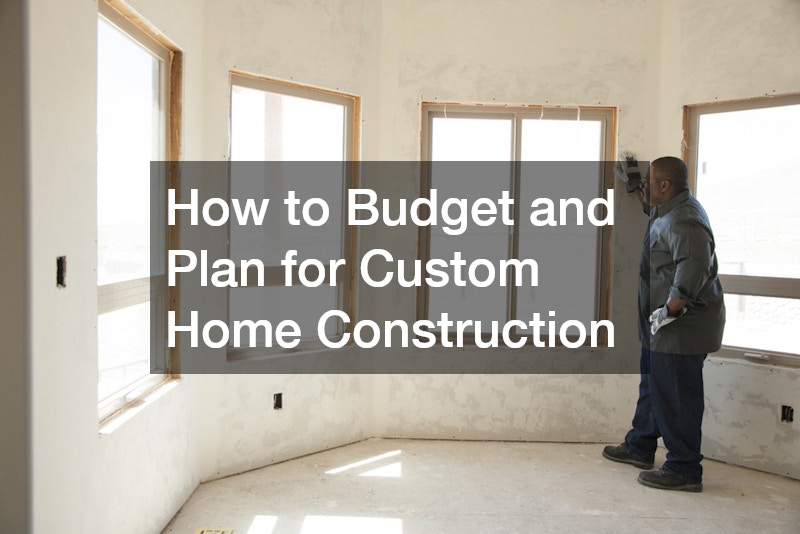
Building a custom home is exciting, but the financial side can become overwhelming if the process starts with rough guesses instead of a clear plan. Many owners focus first on finishes, layouts, and inspiration photos, yet the stronger approach is to build the budget around sequence, risk, and decisions that shape the project early. A well-planned budget does more than control spending. It keeps the process steadier and makes major choices easier to evaluate.
Planning also works better when the project is treated as a full timeline rather than a stack of isolated purchases. Site work, design revisions, structural choices, temporary housing, move-in timing, and future exterior additions all influence the real cost of the build. When those items are considered early, the budget becomes more accurate and the project feels more manageable. That foundation turns a dream project into a workable one.
Define The Scope Before Pricing Anything
The first step is deciding what the house truly needs to include on day one and what can wait until later. Size, layout, storage, specialty rooms, ceiling heights, and finish expectations all affect cost long before a shovel touches the site. A smaller list of well-defined priorities usually produces a better budget than a long list of loosely ranked wishes. Clarity at this stage keeps design enthusiasm from turning into indecision.
Many early budgeting mistakes happen because people underestimate how many decisions are built into home construction. Beyond square footage, costs are shaped by foundation type, framing complexity, utility access, energy goals, window selections, and the amount of custom detail expected in the finished house. The more clearly those choices are described, the easier it becomes to compare bids and spot allowances that are too low. Specificity is not a luxury at the planning stage. It is a form of cost control.
Site preparation deserves its own line item from the beginning, especially when land clearing will involve tree removal, grading, brush disposal, or access work for equipment. This is one of the easiest categories to undervalue because it happens before the visible structure starts to rise. If the lot has uneven terrain, drainage challenges, or heavy vegetation, early estimates should leave room for conditions that are not obvious at first glance. A realistic site budget protects the rest of the project from being squeezed too early.
Study The Lot And The Way You Want To Live
A custom build should respond to the property itself, not just to a floor plan that looked good on paper. Sun exposure, slope, views, drainage paths, driveway placement, and setback rules all shape where the house can sit and how much prep work the site will require. The lot may also influence foundation design, utility trenching, and how the yard can be used later. Budgeting gets much easier when those realities are faced before drawings become too detailed.
That same planning lens should extend outside the walls of the house, because outdoor living spaces often affect grading, concrete work, lighting, utility routing, and long-term use of the site. A covered patio, kitchen area, or screened gathering space can be worth the investment, but it should be identified early so the project is not constantly revised midway through construction. Treating exterior living areas as part of the master plan usually leads to better sequencing and fewer retrofits. It also keeps the yard from feeling like an afterthought.
Temporary living plans deserve attention much earlier than many owners expect. Costs for storage, overlap between closing dates, and help from moving companies can become part of the build budget if the current home must be vacated before the new one is ready. Even a short transition period can create expenses that are easy to miss during the excitement of design meetings. When those logistics are priced early, the rest of the financial plan becomes more honest.
Build The Budget In Layers
A custom home budget works best when it is divided into clear layers instead of one large number. Land acquisition, site preparation, design fees, permit costs, core construction, utilities, interior finishes, exterior features, contingency funds, and move-related expenses should stand alone. That structure makes trade-offs easier to see. It also prevents decorative upgrades from quietly consuming money meant for essential work.
Roofing is a good example of why broad categories need to be broken down further. Budgeting for professional roofing should include material choice, flashing details, ventilation components, underlayment, warranty considerations, and how the roof integrates with drainage design. Those details matter because the roof protects every other finish below it. A pricing sheet that treats roofing like one vague line item can hide major differences in quality and longevity.
Exterior add-ons should be handled with the same discipline, especially when deck construction is part of the original vision for the house. A deck may seem easy to postpone, but its location can affect doors, elevations, structural blocking, lighting plans, and how the backyard functions after move-in. If the owners know they want that feature, it is often smarter to budget for it early than to rebuild surrounding elements later. Good planning keeps future additions from disrupting work that was just completed.
Not every desirable feature belongs in the first phase, and that is where honest prioritizing becomes important. A strong budget separates immediate needs from later upgrades without pretending that everything can happen at once. Owners who plan in phases usually make better decisions because they know what can be delayed without undermining the integrity of the house. That mindset reduces stress and keeps financing focused on the highest-value work.
Compare Roof Decisions Carefully
The roof is one of the most expensive and most important systems in the entire build, so it deserves more scrutiny than many owners give it. Material appearance matters, but performance, installation standards, climate fit, and expected maintenance matter just as much. A lower price at the start can become a far more expensive decision if the roof is not matched to the structure and weather conditions. Custom homes often benefit from extra time here before any final selection is made.
When owners start collecting bids, local roofers can provide useful perspective on material performance in the region where the house will stand. Wind exposure, storm patterns, heat levels, and common maintenance concerns vary from one market to another, and that local experience can shape a better long-term decision. It can also help owners see where an appealing product may not be the most practical one for the site. Good budgeting depends on choosing systems that fit real conditions.
Bid comparisons should also account for scope, not just price. Different roofing companies may include different flashing methods, ventilation details, cleanup standards, or warranty terms even when the top-line number looks comparable. Owners should slow down enough to compare what each proposal really covers. Clear comparisons reduce the chance that a lower bid wins for the wrong reason.
Even on a new build, it helps to think ahead about maintenance and repair standards. Asking early about likely roof repairs, common failure points, and service access around chimneys, valleys, and penetrations can reveal how easy or difficult the roof will be to maintain later. A custom home budget is stronger when it considers not only installation cost, but also the practical realities of keeping the system in good condition. Long-range thinking often saves money that first-year pricing alone will not show.
Protect The Schedule From Cost Creep
Custom projects rarely run exactly according to the first calendar that gets drafted. Weather delays, permit timing, utility coordination, back-ordered materials, and design changes can all push the completion date further out than expected. That matters financially because every extra week can affect rent, loan interest, storage, travel, and work scheduling. A serious budget should account for time risk, not just material cost.
That is another reason the overall home construction plan should be tied to a realistic schedule with decision deadlines along the way. If owners wait too long to choose windows, plumbing fixtures, flooring, or cabinetry details, the resulting delays can ripple through the job and create labor inefficiency. The best planning process identifies what must be selected early and what still has flexibility. A budget stays healthier when the build sequence is protected from avoidable slowdowns.
The moving timeline needs the same attention, especially when long distance movers may be involved at the end of the project. Cross-state or cross-country moves often require earlier booking, more coordination, and more buffer time than local relocations. If the build completion date shifts, the logistics can become more expensive or more complicated very quickly. Including that risk in the plan makes the final transition less chaotic.
A contingency fund is essential for the same reason. It should cover genuine unknowns, not serve as a hidden pool for every upgrade that becomes tempting during the build. When contingency money is protected and used intentionally, it can absorb legitimate surprises without derailing the rest of the budget. That discipline makes it easier to keep emotions from driving major financial choices late in the process.
Plan Exterior Features With Intention
Custom homes can feel incomplete when the budget covers only the structure and leaves the rest of the property undefined. Exterior planning matters because it affects how the house is approached, used, and enjoyed after move-in. Driveways, grading, drainage, patios, lighting, and planting zones all shape how finished the property feels. Planning them early does not mean every feature must be installed immediately, but it does mean the full vision should be understood.
That is especially true for outdoor living spaces that connect directly to the house through doors, covered areas, or utility lines. When these zones are part of the planning process from the start, they are easier to place, easier to serve with power or plumbing, and easier to integrate with the overall architecture. Owners also gain a more accurate sense of what the full property will cost over time. Leaving these ideas vague can lead to expensive redesigns once the main build is complete.
Some site costs are closely tied to future use, which is why land clearing decisions should be made with the long-term plan in mind rather than the cheapest immediate option. Preserving useful shade, protecting drainage paths, and preparing the right areas for drive access or gathering space can improve both appearance and function later. Clearing too much or too little can create its own costs. A measured approach helps the site support the full vision of the home.
The same logic applies to lifestyle features that may be added in phases. If deck construction is likely to happen soon after move-in, the home should be prepared for it with proper door placement, structural planning, and site grading. Building with those future connections in mind is usually far less expensive than modifying a finished exterior later. Smart planning reduces repetition, and repetition is almost always costly.
Budget For The Move, Not Just The Build
Owners often think about the move only after the house is nearly done, but the transition can affect the budget far earlier than that. Packing supplies, temporary storage, cleaning, travel, utility overlap, and time away from work can all add up. These are not the largest numbers in the overall project, but they are real, and they deserve space in the financial plan. Ignoring them creates a false sense of security during earlier budgeting.
Booking help from moving companies can also be a strategic decision rather than a last-minute convenience. Some owners need a staged move, partial storage, or help coordinating delivery dates around the final certificate of occupancy. Those details matter because moving too early or too late can create extra costs and unnecessary stress. Factoring that support into the budget keeps the end of the project from becoming financially sloppy.
Move-in readiness is also about the house itself. Appliances, window coverings, mailbox installation, driveway access, and basic exterior safety lighting can affect whether the owners can settle in comfortably. A budget that covers construction but ignores those last practical needs may look complete on paper while still leaving the house less usable. Good planning turns occupancy into a smooth handoff rather than an extended scramble.
That same mindset applies when relocation is more complex. Scheduling long distance movers requires more coordination with completion dates, delivery windows, and temporary fallback plans if the house is not ready on time. The farther the move, the more important it becomes to build flexibility into both timeline and budget. A careful plan can reduce the chance that a delayed finish creates cascading costs.
Think Beyond Initial Installation
A custom home should be budgeted for years of use, not just completion. That means looking beyond first-year costs and asking how durable each major choice will be over time. Materials that are easy to maintain, accessible to service, and appropriate for the climate may cost more initially but reduce financial pressure later. Durable planning is often more economical than bargain pricing.
This is particularly true when evaluating professional roofing options with very different life spans, maintenance needs, and warranty structures. Two roof systems can look similar in elevation drawings while carrying very different long-term costs. Owners who understand those differences early can make better trade-offs elsewhere in the budget. A house that starts with sound protective systems often ages more gracefully and requires fewer reactive expenses.
It is also worth asking how future service will work after the build is complete. Working with local roofers who know the area may make routine inspections, storm checks, or seasonal maintenance easier after move-in. Service accessibility is not the only factor in vendor selection, but it does matter over the life of the home. Budgeting wisely includes thinking about who will help protect the house once the construction crew is gone.
Questions about maintenance standards should extend to expected roof repairs as well. The owners should understand what kinds of wear are most likely, how quickly those issues should be addressed, and whether the roof design makes service straightforward or more complex. That information helps turn the roof from a one-time purchase into a system with a known care path. Planning is more complete when it includes the reality of ownership, not just the excitement of completion.
Finally, owners should be just as deliberate when comparing roofing companies at the front end of the project. The strongest bid is not always the cheapest or the one with the most polished presentation. It is the one that clearly defines scope, explains material and installation standards, and fits the long-term goals of the house. Clear expectations at the start usually lead to fewer surprises later.
A custom build succeeds when budget and plan are developed together instead of treated as separate tasks. Owners who define priorities, study the lot carefully, break the budget into honest categories, protect the schedule, and think through the move are more likely to finish with a house that meets both their needs and their financial limits. Good planning does not remove every unknown, but it gives those unknowns less power. That is what makes a custom home project feel ambitious without becoming unmanageable.